Defects That Appear After Moving Into a New Villa: What to Do Before the Warranty Ends
 The Fahison Team
Reading time: 6 min
Article Contents
The most common defects that appear after moving into a new villa are: leaks and damp, cracks in walls and ceilings, tile problems, drainage and floor falls, air conditioning, electrical issues, doors and windows, and roofs and waterproofing. What matters is finding and documenting them before the first-year warranty ends, so the contractor fixes them at their cost, not yours.
In this guide we explain why these defects appear after you move in, where to look for them, what to do before the warranty ends, and when you need a final handover inspection from the Fahison team.
Why Do Defects Appear After Moving In?
On handover day the house is empty and its systems haven't been used day to day. After you move in, the picture changes:
- Running water every day in bathrooms and the kitchen reveals small leaks that didn't show in a quick test.
- Running the AC for long hours reveals weak cooling, dripping and drainage problems.
- Heat and humidity reveal weak insulation in the roof and external walls.
- Daily use of doors, windows and locks reveals poor installation.
That is why the contractor's first-year warranty exists: to fix what appears with use. But the warranty requires you to claim specific items before it ends.
8 Common Defects in New Villas After Move-In
1. Leaks and damp
Leaks behind basins and under sinks, and damp patches on walls and ceilings near bathrooms, kitchens and the roof. They often only appear after water has been used daily for a while.
2. Cracks in walls and ceilings
Hairline cracks in paint, plaster and gypsum, especially at the corners of doors and windows and in ceilings. Some are superficial; others need an engineering assessment to find the cause.
3. Tiles and floors
Hollow tiles that sound empty when tapped, tiles that crack or lift, and expansion joints that weren't installed properly.
4. Drainage and floor falls
Water pooling in showers, bathrooms and external areas because of incorrect falls, or slow drainage and drain odours.
5. Air conditioning and ventilation
Rooms that don't cool properly, water dripping from units, or weak extraction and ventilation in bathrooms and the kitchen.
6. Electrical
Sockets or switches that don't work, breakers that keep tripping, and safety observations on earthing and the distribution board.
7. Doors and windows
Doors that rub or don't close tightly, aluminium windows that let in dust or water, and hinges and locks that weaken with use.
8. Roofs and waterproofing
Ponding water on the roof, or weak waterproofing and thermal insulation that shows up as damp in the top-floor ceiling or excess heat in upstairs rooms.
How to Monitor Your Home in the First Year
These simple steps help you record issues as they appear. They don't replace an engineering inspection:
- Photograph every issue with its date: a damp patch, a crack or a hollow tile. Dated photos help when you make a claim.
- Open the basin and kitchen cabinets regularly: and check they are dry with no leaks.
- Watch the ceilings under bathrooms and the roof: any change in paint colour can be the start of damp.
- After rain or washing the roof: go up and check whether water is pooling.
- Note rooms that don't cool: and write them down with the time you noticed.
- Keep the contractor's contract and handover date: so you know exactly when the first-year warranty ends.
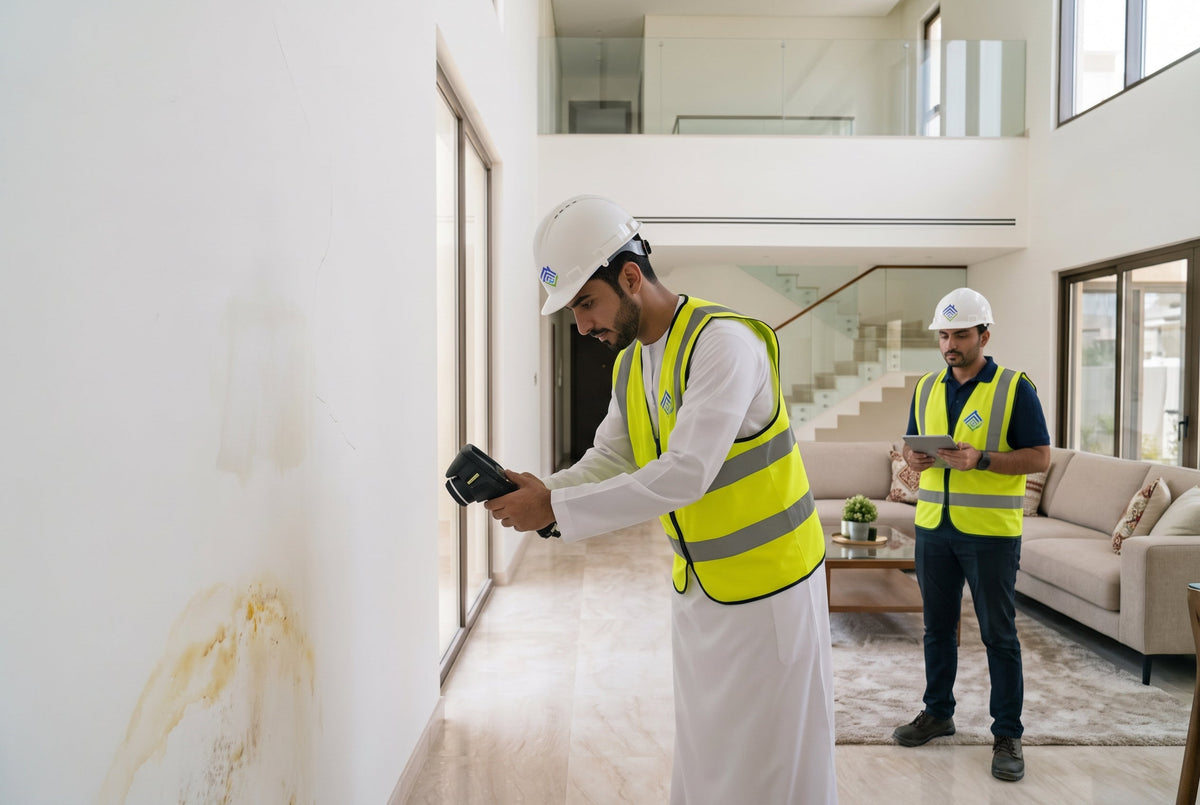
What the eye can't see, such as damp inside walls, weak insulation and hidden leaks, needs specialist equipment such as a thermal camera and moisture meter.
Common Mistakes During the Warranty Period
- Waiting until the problem grows: a small leak today can become damage to a wall or ceiling later.
- Paying for repairs yourself: calling a technician to fix a defect covered by the contractor's warranty.
- Verbal claims: telling the contractor verbally without a written report documented with photos.
- Missing the warranty deadline: finding defects after the warranty ends, so you pay to fix them.
Final Handover Inspection: Before the Warranty Ends
A final handover inspection is a full inspection visit after you move in and before the first-year warranty ends. We record the defects that have appeared with use and issue a technical report you can use to ask the contractor to fix them:
- A Fahison team of 3-4 engineers and specialists: a civil and finishing engineer, and MEP engineers for plumbing, drainage, air conditioning and electrical.
- Equipment for measuring flatness and levels, a thermal camera to detect hidden waterproofing issues and leaks, and electrical and plumbing testers.
- An inspection of the whole home, focusing on defects that appear with use.
- A report with every observation documented with photos and its location, plus the proposed fix.
- The report within 3-4 days of the visit.
- Prices start from AED 3,499 for villas.
Every inspection item and its details are on the final handover inspection page.
And Before You Move In?
- If you haven't taken handover of your villa yet, it is best to inspect it before you sign through an initial handover inspection. Read our guide: what to check before taking handover of your villa from the contractor.
- If it is still under construction, catch mistakes at the right time through construction stage inspection.
- To see what our reports look like: our reports.
FAQs About Villa Defects After Move-In
Q: Why do defects appear in a villa after move-in when it looked fine at handover?
A: Because some defects only appear with real use: running water and AC every day, heat and humidity, and the building's movement in its first months. So a villa can look fine on handover day and show issues months later.
Q: When should I book a final handover inspection?
A: After you move in, and before the contractor's first-year warranty ends. Book well before the warranty ends so you have time to make your claim to the contractor.
Q: What is the difference between initial and final handover?
A: Initial handover happens before you move in, so the contractor fixes the snags before handover. Final handover happens after you move in and before the first-year warranty ends, to record defects that have appeared with use.
Q: Who attends the inspection?
A: A Fahison team of 3-4 engineers and specialists: a civil and finishing engineer to inspect the accessible structural elements and finishes, and MEP engineers to inspect plumbing, drainage, air conditioning and electrical.
Q: How does the report help me?
A: It is a technical defects report, with every observation documented with photos and its location plus the proposed fix, which you use to ask the contractor to repair them at their cost during the warranty period.
Q: When will I receive the report?
A: Within 3-4 days of the visit.
Q: How much does a final handover inspection cost?
A: Prices start from AED 3,499 for villas. Contact us with your home's details and we'll confirm the price.
Don't Let Your Warranty End Before We Inspect
Have you moved in and your first-year warranty is ending soon? Book a final handover inspection on WhatsApp, or see the final handover inspection details.
Related Articles
-
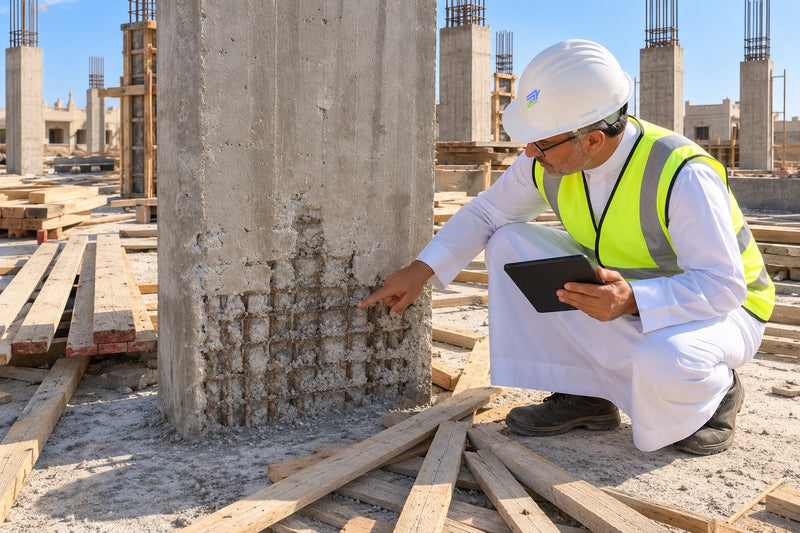
Honeycombing and Spalling in Concrete: the Difference, the Causes, and When They Are Serious
The difference between honeycombing and spalling in your villa's concrete, the causes of each, the signs, when it is serious, and how to catch it in time.
Read Article -

Taking Handover of Your Apartment or Villa From the Developer: The Snag List Before You Sign
A snag list guide for taking handover of an apartment or villa from the developer: 9 areas to check, tips before handover day, common mistakes, and when to book a snagging inspection.
Read Article -

What to Check Before Taking Handover of Your Villa: Initial Handover Checklist
A checklist of what to inspect before taking handover of your villa from the contractor: 12 key areas, simple tests you can do yourself, the most common handover mistakes, and when you...
Read Article

